


Seismic Damage Characteristics of Typical Structural Houses Caused by Mozhugongka Earthquake Swarm, Xizang
-
摘要: 据西藏地震台网测定,2024年10月17日00时至2024年12月9日10时,西藏墨竹工卡记录共发生18次3.0级及以上地震,受此震群影响,震区内两种主要结构房屋出现不同程度破坏。通过实地调查,对受灾地区内石木结构和框架结构房屋的震害特征进行了总结和分析,发现造成石木结构房屋受损严重的主要原因是房屋自身的设计不利于抗震、施工质量差、建造年代久远、短时间内地震频发以及场地效应加重震害等,而框架结构受损的主要原因是施工质量不达标、地震力的持续作用和场地效应。本文对两种结构的震害现象及原因进行了详细描述,并提出针对性的后续建议。通过本次地震实地调查可知,尽管震级不大,但连续多次的地震作用仍然会对建筑物造成一定震害,应加强本地现有传统民居的抗震性能,避免出现小震大灾的现象,同时公共建筑应加装减隔震设备。Abstract: Recently, under the influence of the Mozhugongka earthquake swarm, two major types of buildings in the affected area sustained varying degrees of damage. Based on field investigations, the seismic damage characteristics of stone-wood and frame-structure houses were systematically analyzed. The results indicate that the severe damage observed in stone-wood structures is primarily attributable to poor seismic design, inadequate construction quality, long service life, the cumulative effects of frequent earthquakes within a short period, and site amplification effects. In contrast, damage to frame structures is mainly associated with substandard construction quality, the cumulative impact of repeated seismic loading, and site effects. This paper provides a detailed description of the damage patterns and underlying causes for both structural types and proposes corresponding recommendations for mitigation. Field observations further reveal that, although the earthquake magnitude was relatively small, the resulting structural damage was significant. Therefore, the seismic capacity of traditional residential buildings should be strengthened, and public buildings should incorporate seismic isolation and energy dissipation systems to enhance their resilience.
-
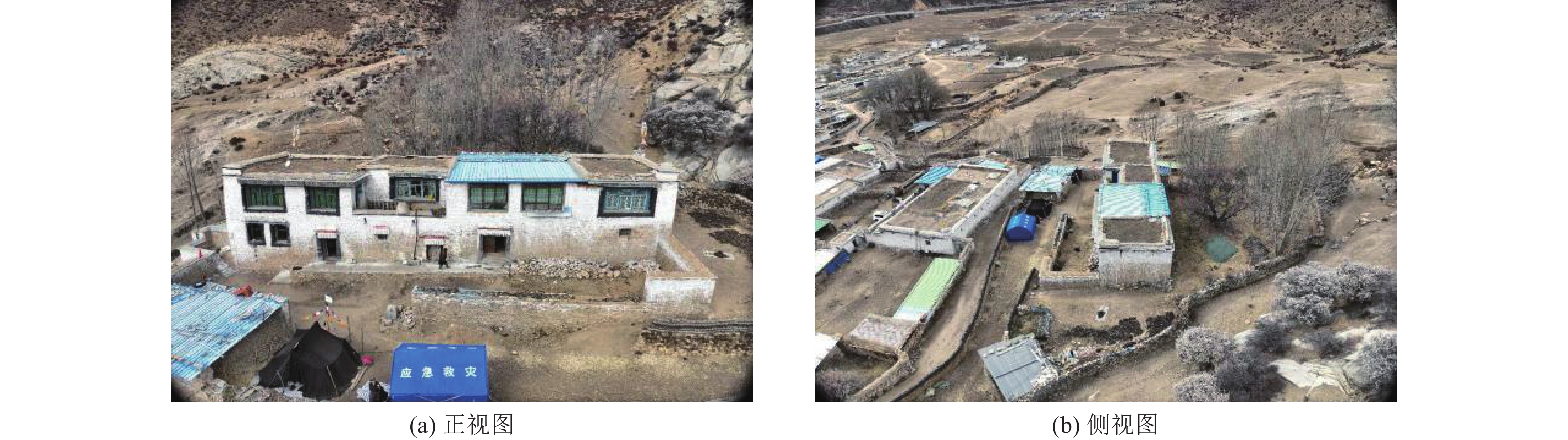
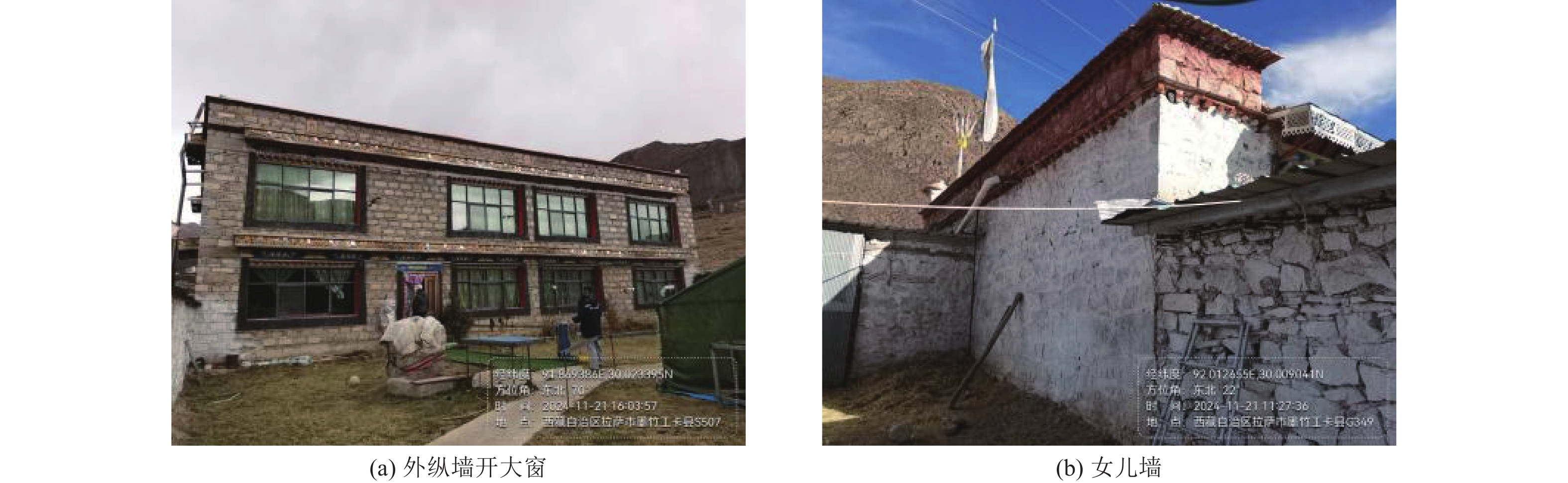
图 1 尼玛江热乡其玛卡村典型石木结构房屋
Figure 1. Typical stone-wood structure houses in Qimaka village, Nima Jiangre township
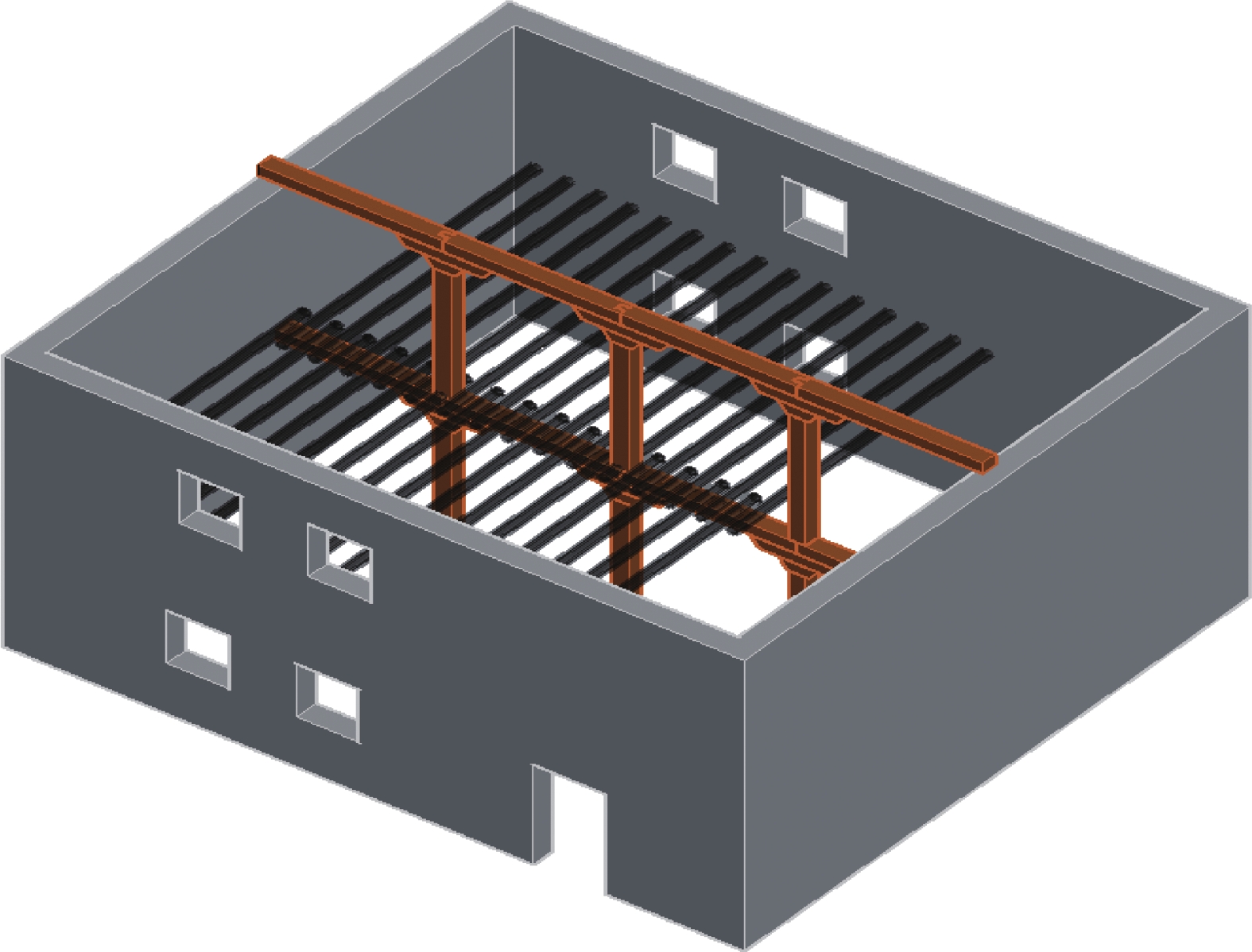
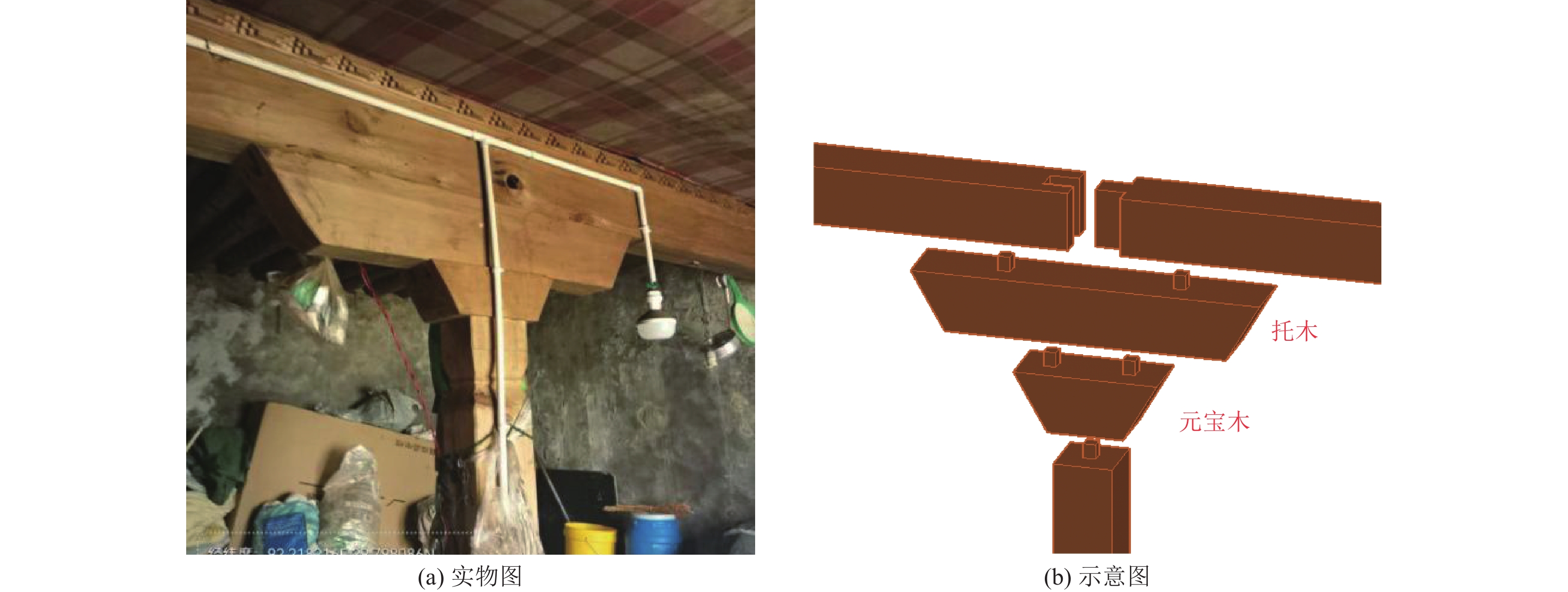
图 2 石木结构房屋内部承重体系示意图
Figure 2. Schematic diagram of the internal load-bearing system of the stone-wood structure house
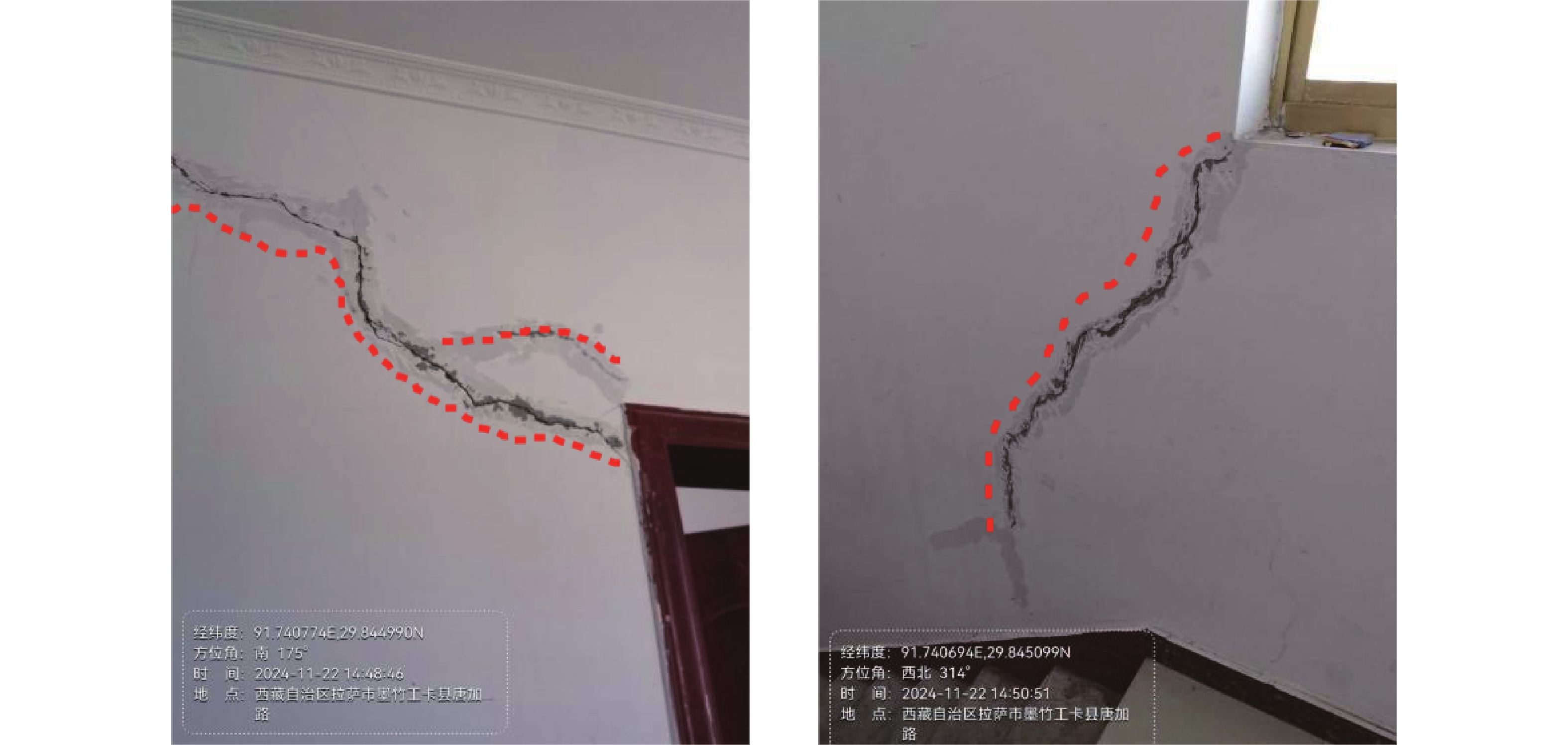
图 12 工卡镇噶则社区民房门窗洞角开裂
Figure 12. Cracks on the corners of door and window openings of the residential houses in Gaze community

图 15 4级以上地震及调查点分布位置
Figure 15. Location of earthquakes(magnitude above 4) and distribution of investigated villages
表 1 墨竹工卡震群3.0级及以上震情信息表(2024年10月17日0时—12月9日10时)
Table 1. Information of earthquake parameters of magnitude 3.0 and above in Mozhugongka earthquake swarm(0:00 on October 17, 2024 to 10:00 on December 9, 2024)
序号 发震时刻 震级 震中经度/(°E) 震中纬度/(°N) 震源深度/km 1 2024-10-21 06:54:33 3.2 92.24 29.8 10 2 2024-10-21 06:57:11 3.1 92.25 29.79 10 3 2024-10-31 09:32:38 4.1 92.25 29.83 10 4 2024-10-31 09:45:01 3.6 92.25 29.82 10 5 2024-11-02 06:03:44 3.9 92.24 29.81 10 6 2024-11-06 11:01:54 3.0 92.24 29.8 10 7 2024-11-07 04:19:53 4.5 92.25 29.85 10 8 2024-11-08 13:00:52 4.0 92.26 29.81 10 9 2024-11-11 13:29:21 3.7 92.27 29.81 10 10 2024-11-12 22:41:36 3.4 92.26 29.82 10 11 2024-11-13 12:15:03 3.4 92.25 29.83 10 12 2024-11-14 00:54:50 3.2 92.26 29.84 10 13 2024-11-18 15:01:56 4.4 92.26 29.83 10 14 2024-11-18 15:06:24 4.1 92.25 29.83 10 15 2024-11-22 22:42:04 3.6 92.25 29.82 10 16 2024-11-25 13:00:29 3.1 92.25 29.82 10 17 2024-12-04 08:42:08 3.4 92.25 29.83 8 18 2024-12-08 02:00:21 3.7 92.26 29.84 10  下载: 导出CSV
表 2 房屋调查统计
Table 2. Investigation data statistics of buildings
结构类型 调查房屋数量/栋 出现的震害情况/栋 框架结构 32 承重柱开裂:1
填充墙开裂:6
墙梁墙柱交接处开裂:5
原有裂缝加宽:2
楼板开裂:1石木结构 55 承重墙开裂:29
原有裂缝加宽:3
墙体外闪:2
木构件受损:2
地基不均匀沉降:2土木结构 4 墙体开裂:3 砖木结构 3 墙体开裂:2 砖混结构 3 墙体开裂:2
下载: 导出CSV
-
胡程鹤, 吴婧姝, 梁宁博等, 2020. 西藏坚塞颇章宫的结构计算分析. 文物保护与考古科学, 32(1): 106−112.Hu C. H., Wu J. S., Liang N. B., et al., 2020. Structural analysis and calculation of Jansal Palace in Tibet. Sciences of Conservation and Archaeology, 32(1): 106−112. (in Chinese) 李碧雄, 王甜恬, 赵开鹏等, 2021. 传统藏式民居的典型震害及易损性研究. 建筑结构学报, 42(S1): 165−173.Li B. X., Wang T. T., Zhao K. P., et al., 2021. Typical earthquake damage of traditional Tibetan dwellings and its vulnerability. Journal of Building Structures, 42(S1): 165−173. (in Chinese) 李秋容, 周英, 2018. 藏式石木结构民居震害形式分析及建议. 黑龙江科学, 9(16): 98−99. doi: 10.3969/j.issn.1674-8646.2018.16.047Li Q. R., Zhou Y., 2018. Analysis and suggestion of seismic damage forms of Tibetan stone-wood structures. Heilongjiang Science, 9(16): 98−99. (in Chinese) doi: 10.3969/j.issn.1674-8646.2018.16.047 王郁, 刘爱文, 李祥秀等, 2021. 基于震害资料的西藏地区典型民居易损性分析. 震灾防御技术, 16(2): 245−252.Wang Y., Liu A. W., Li X. X., et al., 2021. Vulnerability analysis of typical dwellings in Tibet based on earthquake damage data. Technology for Earthquake Disaster Prevention, 16(2): 245−252. (in Chinese) 宴金旭, 叶肇恒, 郑逸等, 2020. 四川荣县MS4.7、MS4.3、MS4.9地震房屋震害特征和人员伤亡分析. 地震工程学报, 42(4): 1019−1023, 1034. doi: 10.3969/j.issn.1000-0844.2020.04.1019Yan J. X., Ye Z. H., Zheng Y., et al., 2020. Investigation of building damage characteristics and human casualties in relation to the MS4.7, MS4.3, and MS4.9 earthquakes occurring in Rong County, Sichuan Province. China Earthquake Engineering Journal, 42(4): 1019−1023,1034. (in Chinese) doi: 10.3969/j.issn.1000-0844.2020.04.1019 宴金旭, 肖本夫, 张露露等, 2021. 云南漾濞MS6.4级地震土木结构房屋震害分析. 华南地震, 41(3): 71−75. doi: 10.13512/j.hndz.2021.03.10Yan J. X., Xiao B. F., Zhang L. L., et al., 2021. Seismic damage analysis of civil structure buildings in Yangbi MS6.4 earthquake in Yunnan. South China Journal of Seismology, 41(3): 71−75. (in Chinese) doi: 10.13512/j.hndz.2021.03.10 姚新强, 陈宇坤, 杨绪连等, 2014. 天津市典型老旧民居抗震能力分析. 震灾防御技术, 9(2): 280−288.Yao X. Q., Chen Y. K., Yang X. L., et al., 2014. Analysis of seismic-resisting capacity for old style dwellings in Tianjin. Technology for Earthquake Disaster Prevention, 9(2): 280−288. (in Chinese) 苑振芳, 苑磊, 刘斌, 2010. 与框架柱脱开的砌体填充墙设计应用探讨. 建筑结构, 40(5): 112−116.Yuan Z. F., Yuan L., Liu B., 2010. Discussion on design and application of masonry filled walls separated from frame columns. Building Structure, 40(5): 112−116. (in Chinese) -




 点击查看大图
计量
- 文章访问数: 337
- HTML全文浏览量: 173
- PDF下载量: 193
- 被引次数: 0
